


Dubai tourist attractions 2025 continue to redefine luxury, innovation, and human imagination. The city isn’t just a travel destination — it’s a living example of how ambition can shape skylines, islands, and experiences unlike anywhere else on Earth. Once a humble trading port, Dubai today stands as a global icon where futuristic architecture meets rich Arabian tradition, offering a seamless mix of modern glamour and cultural depth.
For Indian travelers dreaming of an international escape, Dubai is the perfect blend of accessibility, affordability, and awe-inspiring experiences. From the towering Burj Khalifa to the bustling Gold Souk, from serene desert safaris to futuristic attractions opening in 2025, this city offers something for every traveler — families, couples, or solo explorers.
Whether you crave sky-high adventures, underwater thrills, or cultural soul-searching in the old quarters, this complete Dubai travel guide 2025 helps you uncover the best spots, ideal times to visit, and practical tips to make your Dubai journey effortless and unforgettable.
Understanding Dubai’s Geography and Neighborhoods
Dubai stretches across 4,114 square kilometers, but most tourist attractions cluster in manageable areas accessible via the efficient Dubai Metro system. Understanding neighborhoods helps you choose the right base for your trip.
Marina Bay and Downtown Dubai – Modern Marvels

The heart of modern Dubai centers around Marina Bay and Downtown Dubai, where futuristic architecture defines the skyline. The Burj Khalifa stands as the world’s tallest building at 828 meters, with observation decks on the 125th and 148th floors offering breathtaking city views. On clear days, you can see the Palm Jumeirah and the Arabian Gulf; at night, the city sparkles with thousands of lights creating an almost dreamlike atmosphere.
The Dubai Mall, the world’s largest shopping mall by total area, adjoins Burj Khalifa with over 1,200 retail stores plus restaurants, entertainment venues, and the stunning Dubai Fountain outside. The fountain performs a mesmerizing choreography to music every 30 minutes, with jets shooting water as high as a 50-story building. Watching this free spectacle from the promenade remains one of Dubai’s most magical experiences.
Marina Bay features the iconic Marina Bay Sands resort with its famous rooftop infinity pool, though visiting this requires expensive resort day passes. However, the Marina Bay waterfront area offers excellent walking paths, restaurants, and shopping at reasonable prices. Stay in this area if you value proximity to major attractions and don’t mind paying premium accommodation rates.
Deira and Bur Dubai – Old Dubai’s Soul
While most visitors flock to glittering malls, Deira and Bur Dubai preserve the “real” Dubai—the historic trading districts where the city’s story began. The Gold Souk here remains the world’s largest, with over 300 shops displaying gold jewelry in dizzying quantities—an Instagram paradise and serious shopping destination where you can bargain for genuine pieces.
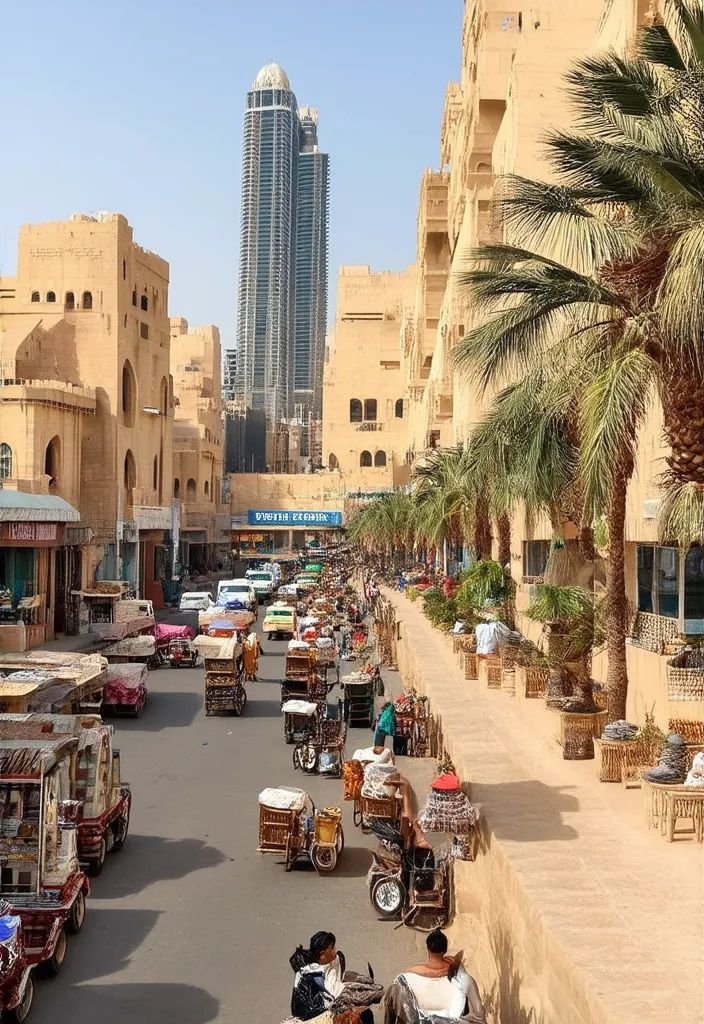
The Spice Souk overwhelms the senses with aromatic spices, frankincense, and myrrh piled high in wooden stalls. Walking through these markets transports you through centuries; the architecture, merchant practices, and atmosphere feel frozen in time despite modern Dubai surrounding them.
The Dubai Creek separates Deira from Bur Dubai, connected by traditional wooden abras (water taxis) that cost just INR 35 for a 5-minute journey across the creek—one of Dubai’s cheapest and most authentic experiences. Take an abra ride at sunset when the evening light bathes historic buildings in golden hues.
Bur Dubai’s Al Fahidi Historical District features traditional wind-tower architecture and hosts the Dubai Museum, offering perspective on the city’s transformation from fishing village to global metropolis. Admission costs INR 220, well worth the insight into Dubai’s journey.
Jumeirah – Beachside Elegance
Jumeirah represents Dubai’s coastal luxury, featuring pristine beaches, upscale boutiques, and the famous Burj Al Arab—the world’s only seven-star hotel shaped like a sail. While ordinary travelers cannot stay at Burj Al Arab without astronomical budgets (rooms start at INR 1,50,000+ per night), the hotel welcomes visitors for fine dining, spa treatments, or simply sipping coffee while admiring the view.
Jumeirah Beach Park offers clean, safe swimming with facilities, though entry costs INR 220 for non-residents. Beaches here teem with families and couples during weekends, creating a vibrant social atmosphere. Visit on weekday mornings for quieter swimming and better photo opportunities.

Palm Jumeirah and Atlantis – Artificial Islands
The Palm Jumeirah stands as one of the world’s most ambitious construction projects—an artificial island shaped like a palm tree, connected to the mainland via a bridge. While individual residential villas on the Palm command astronomical prices, tourists can visit attractions located here.
Atlantis The Palm resort dominates the crescent of the island, featuring the massive Aquaventure Waterpark with over 30 record-breaking slides and the Atlantis Aquarium with 65,000 marine animals. Day passes cost INR 3,400-4,500, making waterpark entry expensive but worth it for intense summer cooling or family fun. The Aquarium alone justifies entry costs, particularly for children fascinated by marine life.
Must-Visit Attractions: Creating Your Dubai Checklist
Dubai’s attractions span categories from engineering marvels to cultural experiences, giving you tremendous flexibility in crafting your perfect itinerary.
Iconic Landmarks and Viewpoints
Burj Khalifa
Burj Khalifa remains non-negotiable for first-time visitors. Entry to the 125th floor observation deck costs INR 3,900; the higher 148th floor adds INR 2,600 more. Skip lines by booking online 1-2 hours before sunset—you’ll experience the daytime cityscape, the sunset transformation, and nighttime lights in succession. The experience justifies the cost.
Dubai Frame
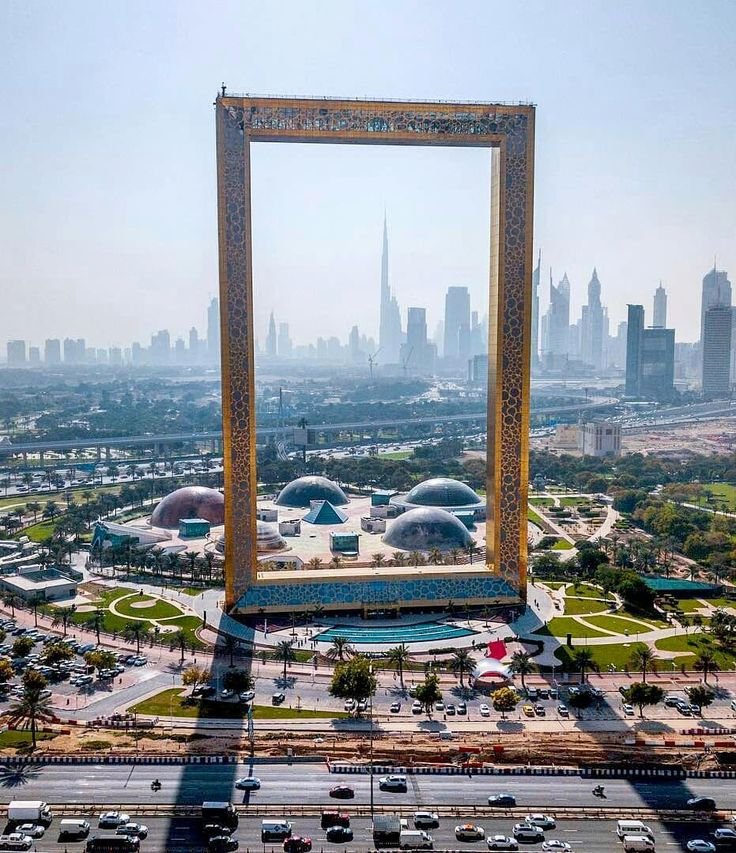
Dubai Frame stands as a newer icon offering a different perspective on the city. This 150-meter structure frames both old Dubai (toward Deira) and new Dubai (toward Marina Bay) through a massive window at its top. Entry costs INR 1,650, and the experience takes 2-3 hours including museums within the frame documenting Dubai’s transformation. Many consider this underrated compared to Burj Khalifa’s crowds.
Ain Dubai
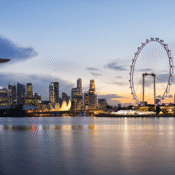
Ain Dubai (Dubai Eye), the world’s tallest observation wheel at 210 meters, completed in late 2024 and offers 360-degree city views from climate-controlled capsules. A 48-minute rotation provides comprehensive sightseeing experiences different from Burj Khalifa’s stationary perspective.
Cultural and Historical Experiences
Al Fahidi Historical District preserves traditional architecture, housing museums, galleries, and traditional buildings with authentic wind towers providing natural ventilation before air conditioning. Wander the narrow lanes, visit the Sheikh Mohammed Centre for Cultural Understanding, and understand Dubai beyond its modernity.
Sheikh Mohammed Centre for Cultural Understanding offers guided heritage walks through Deira and Al Fahidi (INR 550 per person) plus authentic Emirati meals in traditional settings. These experiences provide insider perspectives on Emirati culture, religion, and traditions that typical tourists miss.
Dubai Museum in Al Fahidi Fort offers comprehensive exhibits on Dubai’s history, pearl diving heritage, and cultural artifacts. Entry costs INR 220, making it budget-friendly and educational.
Natural Wonders and Desert Experiences

Desert Safari represents quintessential Dubai tourism—an evening adventure combining dune bashing in 4×4 vehicles, camel rides, henna applications, falcon encounters, and traditional BBQ dinners with entertainment in Bedouin-style camps. Packages range from INR 3,400-6,800 depending on luxury level. Morning safaris offer more serene experiences; evening safaris bring more festive atmospheres.
Mangrove Kayaking provides alternative natural experiences. Peaceful kayaking through mangrove forests along Dubai’s coast allows intimate encounters with local ecosystems and birdlife, costing INR 2,500-3,500 for guided tours.
Shopping Destinations Beyond Malls
Gold Souk in Deira remains the world’s largest gold marketplace with designs ranging from traditional to contemporary. Visit early morning (7-11 AM) when merchants are fresher and before tourist crowds intensify. Unlike Western jewelry stores with hefty markups, Gold Souk offers jewelry at closer to gold’s market value, typically costing 10-20% below equivalent Western jewelry.
Spice Souk costs nothing to explore, making it perfect for budget travelers. The aromatic atmosphere and kaleidoscopic displays provide Instagram-worthy photos and unique souvenirs like saffron, cardamom, and frankincense at remarkably low prices compared to packaged international versions.
Textile Souk in Bur Dubai stocks fabrics from across the Middle East, Asia, and Africa. Tailors throughout Dubai will use Textile Souk purchases to create custom garments at reasonable costs—an excellent way to acquire unique clothing pieces unavailable in home countries.
Family-Friendly Dubai: Activities for All Ages
Dubai explicitly markets itself as family-friendly, and the infrastructure supports this claim comprehensively.
Aquaventure Waterpark and Atlantis Aquarium provide all-day entertainment for children of all ages. The lazy river offers relaxation while multiple slides cater to varying thrill levels. Trained lifeguards and age-appropriate zones prioritize safety. Food options inside are overpriced (expect INR 800-1,200 for meals), so consider eating outside the park before entry.
IMG Worlds of Adventure dedicates areas specifically to families with young children (Super Silly Fun Land), teenagers (Marvel zone), and adventure seekers (Lost Valley dinosaur area). A full day here remains affordable compared to similar theme parks globally.
Ski Dubai seems paradoxical—snow skiing in the desert—but this indoor slope maintains real snow year-round, offering skiing and snowboarding lessons plus snow play areas for children. Entry costs INR 7,000-12,000 depending on duration, expensive but utterly unique.
Dubai Safari Park opened in 2017, featuring over 2,500 animals in naturalistic habitats across six themed zones. Open-air vehicles transport guests through savanna, Arabian, and Asian zones, creating safari experiences without leaving the city. Entry costs INR 4,500-5,000; many consider this worthwhile despite being one of Dubai’s pricier attractions.
Kidzania Dubai provides educational entertainment where children operate various “jobs” in a miniature city—practicing real-world skills through play. Perfect for children aged 2-15, though entry costs INR 4,000-6,000.
When to Visit Dubai: Timing Your Perfect Escape
Dubai’s climate dramatically affects visit quality and costs. Understanding seasons helps optimize your experience.
Winter Peak Season (November-March) – Best Weather
The winter months deliver Dubai’s ideal conditions—daytime temperatures between 24-31°C. November through March brings pleasant weather perfect for beach days, outdoor exploration, and desert activities without the hellish heat of summer.
December and January see peak crowds and premium prices, particularly around Christmas/New Year holidays[179][182]. January features the Dubai Shopping Festival with massive discounts, making this prime time for bargain hunters despite crowding.
February and March offer improved conditions—pleasant weather continues, crowds diminish slightly, and prices dip below January peaks. Many consider March the sweet spot: ideal weather, manageable crowds, and reasonable rates.
H4: Peak season hotel rates: INR 8,000-15,000 per night for three-star accommodation.
Shoulder Season (April-May, September-October) – Value and Fewer Crowds
April and May see rising temperatures reaching 33-38°C but still manageable. Hotels offer moderate discounts, fewer tourists enjoy attractions, and deals abound for savvy travelers. The heat remains intense during midday but manageable with appropriate precautions.
September-October marks the transition from summer to winter. Temperatures drop from peak summer’s 40-42°C to more bearable 30-35°C. September remains sticky with humidity, but October offers marked improvement. Hotel rates drop 30-40% below peak season, making three-star accommodation available for INR 4,000-6,000 per night.
Shoulder seasons suit budget travelers, those averse to crowds, and travelers comfortable with occasional afternoon heat.
Summer Off-Season (June-August) – Extreme Heat and Bargains
Dubai transforms during summer into an oven—temperatures exceed 40°C regularly, reaching into mid-40s, with humidity making conditions feel unbearable. Outdoor activities become near-impossible during midday; even locals avoid being outside between 11 AM-4 PM.
However, summer offers massive bargains. Hotel rates plummet—three-star accommodation drops to INR 3,000-5,000 per night, sometimes lower. Attractions see minimal crowds, malls are pleasantly uncrowded for shopping, and restaurants offer promotional deals.
Summer travelers should embrace mall culture, indoor entertainment (cinemas, Ski Dubai, theme parks), and modify activity timing to early mornings and after-sunset evenings. The challenge isn’t availability but battling the heat; the reward is substantially lower costs and intimate access to attractions.
Practical Information for Indian Travelers
Visa Requirements and Entry
Indian passport holders receive 30-day tourist visas on arrival at Dubai International Airport or Al Maktoum International Airport, extendable by 10 days. Visa fees run approximately INR 200-300. Ensure passport validity of at least 6 months and blank visa pages.
Alternatively, Indian citizens can apply online for 30-day e-visas through UAE government portals before arrival, costing slightly less and requiring no airport visits.
Currency and Daily Costs
The UAE Dirham (AED) serves as the currency—approximately 1 INR = 0.22 AED. ATMs throughout the city dispense AED; most establishments accept credit cards.
Budget breakdown per person (daily costs):
- Budget travelers: INR 2,500-4,000 (hostels, street food, free attractions, public transport)
- Mid-range travelers: INR 6,000-10,000 (three-star hotels, mixed dining, paid attractions)
- Luxury travelers: INR 15,000+ (four-star hotels, fine dining, premium experiences)
Getting Around
Dubai Metro offers efficient, air-conditioned rapid transit connecting major attractions. A prepaid Nol card (purchase at metro stations for INR 50, then add credit) enables metro, bus, and abra travel. Single journeys cost INR 9-18 depending on distance. A 10-journey card costs INR 130-195
Taxis are metered but generally more expensive than metro. Ride-hailing apps (Uber, Careem) offer comparable pricing with less negotiation. Typical rides cost INR 100-400 depending on distance.
Public buses offer extremely cheap transport (INR 5-10) but require advance planning and are less convenient for tourists.
Car rentals cost INR 2,500-5,000 daily for economy vehicles, requiring international driving permits. Traffic remains heavy, and navigation complexity makes this less appealing for tourists.
Most visitors rely on combinations of metro for long distances, taxis/app-based rides for shorter urban trips, and walking in concentrated areas like Marina Bay.
Health, Safety, and Cultural Etiquette
Dubai ranks among the world’s safest cities for tourists. Standard precautions (safeguarding valuables, avoiding isolated areas after dark) apply but crime against tourists remains minimal.
Sun protection proves essential—UV intensity near the equator causes rapid sunburning. Apply high SPF sunscreen (SPF 50+) repeatedly and wear hats and sunglasses.
Ramadan considerations: During Ramadan (the Islamic holy month), restaurants remain closed during daylight hours; alcohol isn’t served; and public behavior expectations shift. Tourists aren’t prohibited from eating or drinking publicly during Ramadan, but discretion is respectful. Check Ramadan dates before planning; it shifts approximately 11 days earlier annually.
Cultural etiquette:
- Dress modestly, particularly in older districts, religious sites, and restaurants (shorts ending at knees, shirts with shoulders covered)
- Alcohol is legal but consume only in licensed venues; public intoxication offends
- Photography of locals requires permission; avoid photographing women without explicit consent
- Remove shoes when entering mosques and some traditional spaces
- Use right hands for eating, greeting, and giving/receiving items
Sample Itineraries
4-Day Dubai Introduction
- Day 1: Burj Khalifa, Dubai Mall, fountain shows, Marina Bay waterfront
- Day 2: Gold Souk, Spice Souk, abra rides, Bur Dubai exploration
- Day 3: Desert Safari with evening entertainment
- Day 4: Beach day, shopping, departure
7-Day Comprehensive Dubai
- Days 1-2: Downtown/Marina Bay (Burj Khalifa, malls, fountain)
- Days 3-4: Old Dubai (Deira markets, historical district, creek)
- Day 5: Desert safari + one theme park
- Day 6: Beach + shopping + cultural center visits
- Day 7: Relaxation + last-minute shopping + departure
Family-Focused 5 Days
- Day 1: Burj Khalifa + Dubai Mall
- Day 2: Aquaventure Waterpark or IMG Worlds
- Day 3: Ski Dubai or Safari Park
- Day 4: Beach + Jumeirah exploration
- Day 5: Kidzania or shopping centers
Conclusion
Dubai’s Irresistible Appeal
As we explore the ever-evolving Dubai tourist attractions 2025, one thing becomes clear — this city is not just built to impress, it’s built to inspire. The Burj Khalifa still pierces the clouds as the world’s tallest symbol of ambition, while the new generation of entertainment hubs, cultural districts, and eco-friendly resorts redefine what luxury travel means.
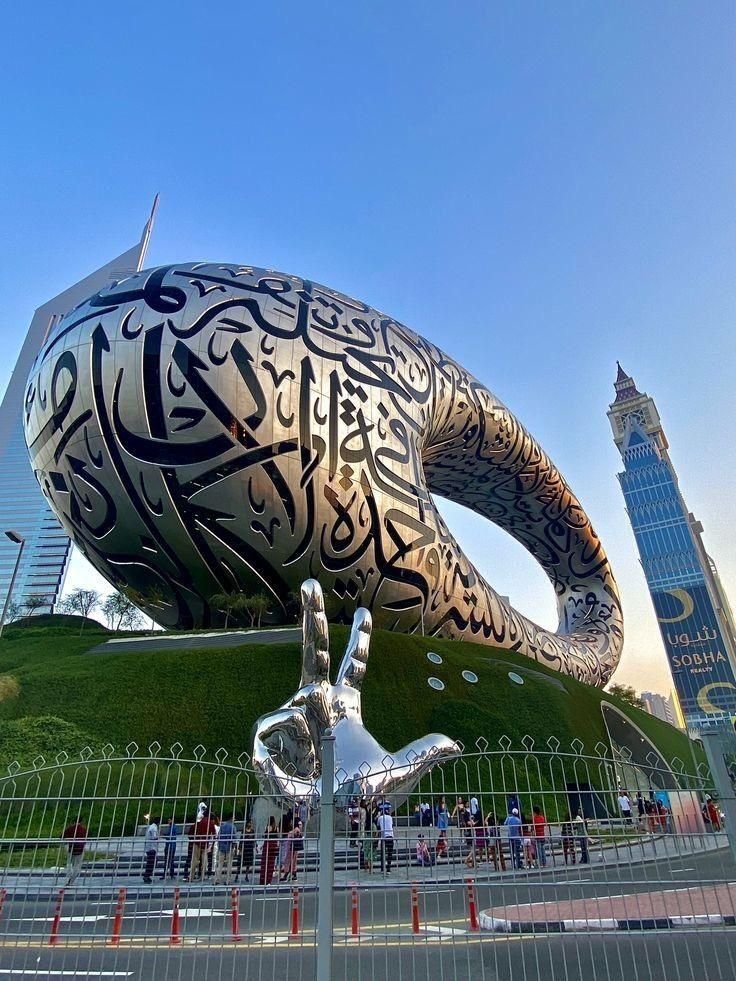
But Dubai’s real magic lies in its balance — where modern engineering marvels meet centuries-old souks, and where every traveler, whether on a tight budget or a luxury splurge, feels equally welcomed. For Indian tourists, Dubai remains one of the most convenient and rewarding international destinations, blending familiarity with futuristic wonder.
So, if Dubai tourist attractions 2025 are on your bucket list, it’s time to make that dream trip a reality.
Visit traveliholidays.com and let our expert travel planners curate a personalized Dubai itinerary — combining iconic landmarks, hidden gems, and memorable experiences that bring the “City of Gold” to life.

The article is superb and very helpful. The entire
platform keeps delivering.
My homepage :: інформує
office in new york https://offices-rent-nyc.com
psychologist
A fake relationship with a neighbor saves Liz’s prom night. Wes is the unexpected hero of this story. Their journey is full of laughs and sweet moments. You can read it by finding the Better Than the Prom epub. It is a great choice for anyone looking for a fun, romantic digital read. https://betterthanthepromepub.site/ Better Than The Prom Lynn Painter Epub
Un giallo che profuma di caffè e carta stampata. Scrivere è un mestiere pericoloso è il romanzo che ha lanciato Vani Sarca. Alice Basso ha saputo creare un personaggio iconico. Se cerchi il pdf, preparati a entrare in sintonia con una ghostwriter cinica ma geniale. La trama è avvincente, con un mistero che si svela pagina dopo pagina. La scrittura è fresca e moderna. Vani e Berganza sono una coppia investigativa formidabile. Un libro consigliato a chi cerca una lettura piacevole e stimolante, disponibile in comodo formato digitale. https://scrivereeunmestierepericolosopdf.site/ Scrivere È Un Mestiere Pericoloso
Mark Twain’s satire of Sunday school, local government, and small-town pride is biting and hilarious. He exposes the absurdities of adult behavior through the eyes of a child. This layer of social commentary makes the book a fascinating read for history buffs. To access this cultural critique, a digital download is the fastest route. A Tom Sawyer PDF provides instant access to the text, allowing you to start reading immediately. Discover why Twain is considered the sharpest social critic of his time through this entertaining novel. https://tomsawyerpdf.ru/ Pdf Of Tom Sawyer Children’s Play
Dalla parte delle bambine è un libro che parla a tutti: genitori, insegnanti, nonni, zii. Elena Gianini Belotti ci rende tutti responsabili dell’educazione delle nuove generazioni. Chi cerca il pdf vuole capire come fare la propria parte. L’autrice spiega che ogni gesto, ogni regalo, ogni frase contribuisce a formare l’identità di genere del bambino. Essere consapevoli di questo potere è il primo passo per usarlo bene. Un saggio che trasforma la quotidianità in un laboratorio di cambiamento sociale. https://dallapartedellebambinepdf.site/ Maiepoimai Dalla Parte Delle Bambine
She fights for her life, but also for her soul. Throne of Glass is a spiritual journey as much as a physical one. Celaena must decide what kind of person she wants to be. The moral choices are difficult. Sarah J. Maas does not shy away from complexity. A throne of glass pdf is a window into this complex world. Witness the evolution of a soul. https://throneofglasspdf.store/ A Throne Of Glass Epub